Wondering how to book a Botox appointment and walk in fully prepared? Here is a clear, experience-based guide that covers timelines, consultation questions, pain expectations, dosing basics, aftercare, and how to plan for touch ups so your results look natural and last.
Why timing matters more than most people think
Botox is quick, but the planning is not. The medication needs time to bind to receptors and relax targeted muscles, results phase in over several days, and you may have minor swelling or bruising. If you have a wedding, photo shoot, or big work event, count backward. I tell patients to schedule treatment 2 to 4 weeks before the date that matters. That window allows for peak results, any small tweaks, and the chance for bruises to fade.
There is also seasonality. Many practices fill early in November and December thanks to holidays. Summer can be busy with travel and weddings. If you want Friday appointments or evening slots, plan at least two weeks ahead. For first-timers, book a consultation at least a week before you hope to treat, in case your provider prefers a separate assessment before injections.
How to choose the right provider
Botox is a brand name for onabotulinumtoxinA, and while the product is standardized, the injector’s eye is not. Placement, dilution, and technique shape your results and your experience. The best way to reduce risks and get natural results is to choose a clinician who treats faces like yours, day in and day out.
Look for medical qualifications and an aesthetic track record. In most regions, physicians, nurse practitioners, and physician assistants can inject. What matters is consistent volume and a portfolio of work, especially in the areas you want treated: forehead lines, 11 lines between the brows, or crow’s feet. Check whether they discuss Botox safety, risks, and aftercare clearly. Ask how many units they typically use for certain treatment areas, how Orlando FL botox they approach asymmetric brows, and what their policy is for a Botox touch up if you need one.
Beware of rock-bottom Botox prices. The cost of legitimate product and safe practice overhead sets a floor. Deeply discounted injections may reflect over-dilution, poor technique, or a churn-and-burn model with little follow up. Good clinics are transparent about Botox dosage, units, and expected Botox duration. You should leave knowing exactly what was used and where.
What to expect at the consultation
A thorough Botox consultation is part anatomy lesson, part aesthetic strategy. Your provider should watch you animate: frown, raise brows, smile widely, squint, purse lips, clench your jaw. They will map dynamic lines, assess baseline asymmetries, and feel the strength of muscles like the corrugators, frontalis, and orbicularis oculi. If you are considering the masseter for teeth grinding, they will palpate that area and ask about chewing patterns and jaw tension.
Discuss your goals in plain language. “I want my forehead lines softer, not frozen.” “I hate my 11 lines on Zoom.” “I want a subtle brow lift because my eyelids look heavy.” Bring photos where you liked your face, including earlier years if helpful. Ask about Botox vs Dysport vs Xeomin vs Jeuveau. All are botulinum toxin type A formulations, each with slightly different diffusion profiles and onset. Some patients feel Dysport kicks in a day sooner for crow’s feet, while Botox can feel more precise for the glabella. Many experienced injectors have preferences based on area, skin thickness, and muscle strength.
Expect a conversation about Botox risks and side effects, too. Common ones include mild headache, tenderness, pinpoint bruising, and a heavy feeling as the medication begins working. Less common but important risks include eyelid ptosis when product diffuses into the levator palpebrae, eyebrow droop from over-treating the frontalis, or an asymmetric smile from leakage near the zygomatic muscles. An honest provider will tell you how they minimize these issues and how often they see them.
If you have medical indications such as migraine, eye twitching, or hyperhidrosis, ask about dosing strategies and insurance rules for medical Botox therapy. For sweating in the underarms or hands, your provider will explain the injection grid and why those sessions can require more units and a different pain plan.
Scheduling strategy: first-time vs maintenance
First-time patients do best with a measured plan: a baseline treatment, a follow-up at two weeks, then a maintenance schedule tailored to how long your Botox results last. Typical Botox longevity for cosmetic areas runs 3 to 4 months, with a range from 2 to 5 depending on metabolism, dosage, and muscle strength. The glabella often holds longer than the forehead, because the frontalis must be dosed conservatively to preserve brow lift. Crow’s feet sit in the middle. Masseter treatments for teeth grinding can last 4 to 6 months, sometimes longer once the muscle atrophies slightly.
A common maintenance plan is three to four sessions per year. Some patients stretch to two per year if they accept a soft fade between visits. Others prefer a subtle top-up just before a big event. Keep in mind that coming in slightly before full movement returns can preserve smoother lines over time and may require fewer units. If you wait until everything fully wears off, your lines and muscle strength may rebound, and you might need higher dosing.
Pre-appointment preparation that actually helps
Start with your calendar. Avoid scheduling a facial, microneedling, or intense peels two days before and two days after your session. Plan your workout schedule, too. You do not need bed rest, but many providers recommend no strenuous exercise for the rest of the day after injections.
Medications and supplements matter more than many people realize. Anything that thins blood can raise bruising risk. Typical culprits include aspirin, ibuprofen, naproxen, fish oil, high-dose vitamin E, ginkgo, and certain herbal blends. If your primary doctor agrees, consider pausing nonessential supplements for about a week before treatment. If you need daily aspirin or a prescription anticoagulant, do not stop without medical advice. Let your injector know, and they will adjust expectations and technique.
Alcohol and salt can make you puffy. Skipping drinks the night before and the day of your Botox appointment helps, especially for treatment around the eyes. Hydrate well, arrive with clean skin, and avoid heavy makeup over the areas to be treated. If you are prone to cold sores and plan injections near the lips for a subtle lip flip, ask about prophylactic antiviral medication.
Finally, consider timing around vaccines and dental procedures. Many injectors prefer a two-week buffer on either side of major vaccines or dental work to reduce the chance of inflammatory overlap. It is a precaution rather than a strict rule, but it helps keep variables separate if a reaction occurs.
The day of treatment: flow, pain level, and technique
Most Botox appointments take 15 to 30 minutes, with the injection portion often under 10 minutes. Expect consent forms, pre-treatment photos, and a quick review of your goals and the injection map.
Pain is brief and manageable. The needles are tiny. If you are needle sensitive, ask for a cold pack or a dab of topical anesthetic. For crow’s feet, a chilled metal roller makes the skin less reactive. For the masseter, a slower injection and a gentle compress after each pass reduces soreness.
Dosing is measured in units. Typical ranges, based on average muscular strength:
- Glabella (frown lines between brows): about 12 to 24 units. Forehead lines: about 6 to 20 units, often linked to glabella dose to maintain brow balance. Crow’s feet: about 6 to 12 units per side. Bunny lines on the nose: about 2 to 6 units total. Lip flip: about 4 to 8 units. DAO (downturned mouth corners): about 4 to 8 units. Chin dimpling: about 6 to 10 units. Brow lift effect: about 2 to 6 units strategically placed. Masseter for teeth grinding or jawline slimming: about 20 to 40 units per side, sometimes more for strong muscles. Hyperhidrosis, underarms: often 50 units per side, mapped in a grid.
These are typical ranges, not prescriptions. Your injector’s Botox technique and dilution influence how many injection points are used and exactly where they aim. An experienced hand looks beyond a standard Botox injection map and adapts to your muscle pull and eyebrow shape. Strong lateral brow depressors, for instance, call for careful dosing near the tail to avoid brow drop and achieve a soft lateral lift.
Immediately after: what normal looks like
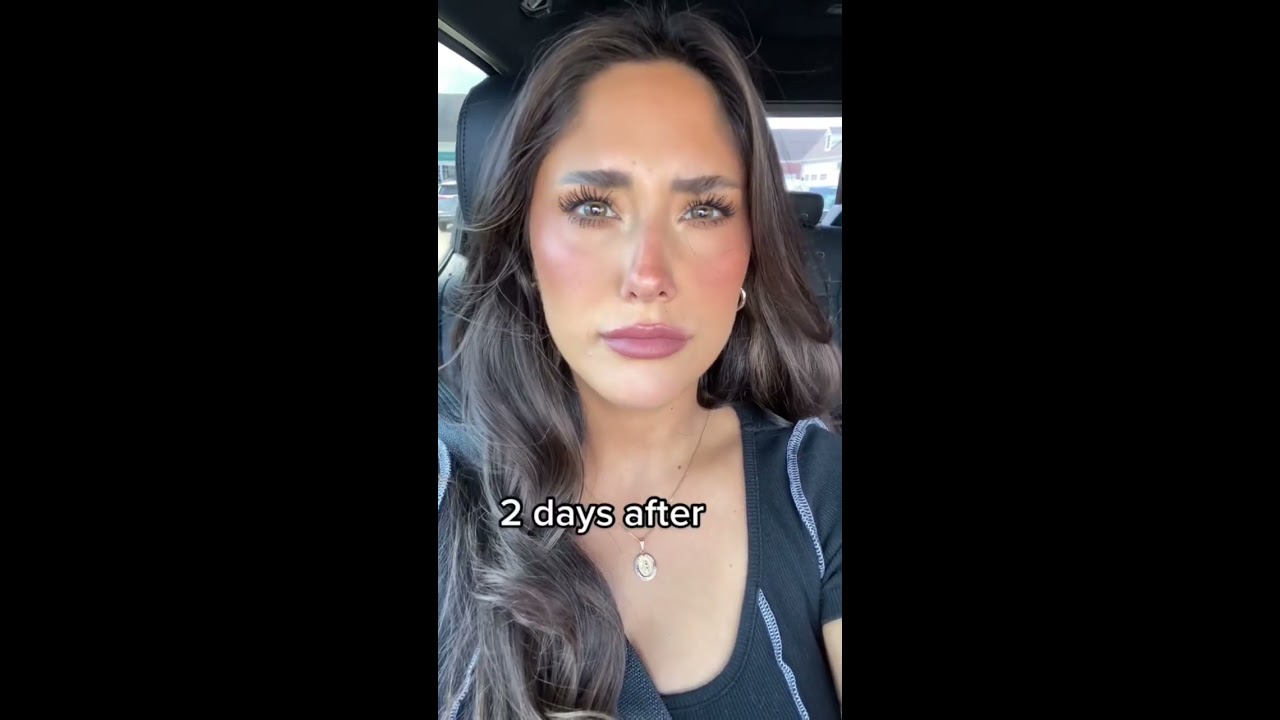
You will see tiny raised bumps at some injection sites that fade within 20 to 60 minutes. Mild redness is common. Some areas feel tight as the day goes on. Headache can occur that evening in a small percentage of patients. Makeup can be applied gently after a few hours, but avoid pressing or massaging the treated zones.
Onset is not instant. Most people feel the first shift at 48 to 72 hours. Full Botox results usually settle by day 10 to day 14. That is why providers invite you to return at two weeks for a check, especially if you are new or tried a different product.
Aftercare that avoids the avoidable
You will hear different rules from different clinics, but the principles are consistent: do not push the product where it does not belong, and do not flood the area with inflammation in the first several hours.
A practical routine: keep your head upright for four hours, skip high-intensity workouts until the next day, avoid saunas and very hot yoga for 24 hours, and do not rub the treated areas. Sunglasses and hats are fine. If you need to wash your face, pat instead of scrub.
Bruising happens. Arnica gel can help some people, but the best fix is time and a dab of concealer. For swelling or tenderness, a cool compress in short intervals is enough. If you experience a heavy lid or asymmetric smile, call your provider promptly. Some of these effects are technique related, some are anatomy related, and some reflect diffusion. Early advice can make them easier to live with while they fade.
Planning for a natural look
Natural Botox results hinge on placement and restraint. Smooth but expressive is the goal for most modern patients. Freezing the entire forehead remove all motion and can flatten personality. For many, it is better to soften the lines that crease deepest in photos and video calls while preserving some lift laterally and at the inner brow. The forehead depends on frontalis tone for brow position. Over-treat it without balancing the glabella, and the brows may feel heavy. Under-treat the glabella while relaxing the forehead, and you may get a surprised, arched look you did not want.
If a subtle brow lift is your aim, small units along the lateral orbicularis oculi, paired with thoughtful forehead dosing, can nudge the tail up a few millimeters. That tiny change can open the eyes in a way that reads more rested than “done.” For crow’s feet, target the outer fan while maintaining natural smile lines near the cheek to avoid a pasted-on grin.
Botox vs fillers, and when to combine
Botox helps lines formed by muscle movement. Fillers help lines and volume loss formed by collagen depletion and fat pad changes. Horizontal forehead lines that remain at rest may require a combination: lower Botox dosing to maintain brow position plus a touch of hyaluronic acid placed superficially. For 11 lines etched deep between the brows, a conservative filler plan may help once the muscles are relaxed. Sequence matters. Treat with Botox first, let the area relax, then reassess for filler in 2 to 4 weeks.
If you are comparing Botox vs Dysport vs Xeomin vs Jeuveau, remember all are tools. Some patients prefer the feel of one over another, especially for forehead lines or crow’s feet. If you try a switch, document your Botox experience with photos at day 0, day 7, and day 14 so you can judge onset and finish.
Costs, units, and how to think about pricing
Practices typically price Botox by unit or by area. By-unit pricing feels transparent, but you must trust the injector’s plan. By-area pricing can protect you from cost creep if you need a few more units to perfect balance. In many cities, Botox cost per unit ranges roughly from 10 to 20 dollars, depending on geography and the injector’s experience. A common glabella treatment might be 15 to 20 units, a forehead 8 to 16 units, crow’s feet 12 to 24 units total. Masseter dosing for teeth grinding can raise the ticket substantially due to the unit count.
Ask how many units are planned and why. Good injectors explain their map and welcome questions. They also offer a reasonable policy for a small Botox touch up within two weeks if needed to correct asymmetry or adjust movement.
Myth busting, briefly
A few Botox myths persist. Botox does not accumulate endlessly in your body. The protein binds at the neuromuscular junction, then your body makes new receptors over months. Stopping does not make you “worse,” it simply lets your natural movement return. Starting younger does not freeze aging in its tracks, but it can prevent deepening of dynamic lines, particularly in the glabella and crow’s feet. “No pain, no gain” does not apply. You should not suffer through heavy bruising or headaches every time. If you do, review technique and prep with your provider.
Another myth is that Botox equals a frozen face. That is a style choice, not a pharmacologic inevitability. With careful dosing and placement, function and expression remain while harsh lines soften.
Special cases: men, strong foreheads, and the masseter
Men often need more units due to heavier musculature, especially across the forehead and glabella. The pattern can differ, too. A high, broad forehead may require wider spacing and a different ratio to preserve a masculine brow position. For the masseter, aim and depth matter to avoid chewing fatigue or smile changes. The first session is usually conservative, then adjusted at the two-week follow up or next cycle.
For patients with very strong frontalis activity, micro-dosing across a broader field can prevent step-offs or banding. For those with thin skin, fewer units placed precisely can prevent the “stamped” look of mismatched frozen and mobile zones.
Medical uses you might not know about
Beyond cosmetic smoothing of facial lines, botulinum toxin can help with medical issues. Migraine patients respond when injections follow a standardized pattern across the forehead, temples, scalp, and neck. Eye twitching can be calmed with targeted dosing by an ophthalmic specialist. For hyperhidrosis, Botox for underarms, hands, or scalp sweating can change daily comfort and wardrobe choices. These sessions use larger unit counts and feel different from cosmetic visits, but the safety profile is well studied when performed by experienced clinicians.
A realistic appointment timeline
Here is a simple schedule I give first-timers who want crisp planning without fuss:
- Two weeks before: confirm your appointment, pause nonessential blood-thinning supplements if approved by your physician, and plan your workouts and social calendar around treatment day. Three days before: hydrate, minimize alcohol, and line up a cold pack and gentle concealer at home just in case. Treatment day: arrive with clean skin, review goals, take photos, and keep the rest of the day light. Upright for four hours after, no high-intensity exercise that day. Days 2 to 3: expect early onset, a mild head tightness, or nothing at all. Avoid massage in the treated areas. Day 7: take a photo for your own Botox before and after comparison. Day 14: follow-up check for balance and, if needed, a small touch up. Months 3 to 4: schedule your refill before full movement returns if you prefer a steady look.
Questions worth asking before you commit
Clarity beats guesswork. Ask your injector:
- Which areas will you treat, and how many units in each? What results do you expect by day 14, and what signs would prompt a touch up? What is your protocol to minimize eyelid droop or brow heaviness? How do you manage asymmetry, and what does a touch up cost within two weeks? How long do your typical patients’ results last in the areas we are treating?
These questions keep both sides aligned and make the Botox appointment feel like a collaboration rather than a transaction.
What to watch for after one week
At the one-week mark, the shape of your expression reveals whether the plan hit the mark. Do your brows feel even when you raise them? Are your 11 lines softened at rest without a perpetually stern look? Do you still smile naturally around the eyes, with fewer radiating lines? If a brow feels heavy or one side pulls higher, tell your provider. Tiny adjustments often resolve these issues.
Some people worry that the first week looks “too smooth.” This softens slightly over the following couple of weeks as your face recalibrates its expressions. Paradoxically, if you feel no change at all by day 7, reach out. Under-dosing happens, and early documentation helps your provider dial in your Botox units next time.
Long-term thinking: maintenance without overdoing it
Botox maintenance is straightforward when you keep notes. Track your treatment areas, units, product type, onset day, and fade day. Patterns emerge by your third cycle. Some prefer shorter intervals with fewer units to maintain feather-light movement. Others choose standard intervals and accept a brief return of deeper lines before the next Botox appointment. Neither is wrong. The right cadence supports your lifestyle, budget, and tolerance for movement.
Concerns about long-term effects often come up after a year or two. The data so far supports good safety in healthy adults when dosing is appropriate and spaced. Muscles can weaken slightly with repeated treatments, which some people like, especially for masseter tension. If you notice a flattened expression or a brow that sits lower than you prefer over time, talk about reducing forehead dosing, spacing sessions out, or pairing with skin treatments that improve texture without changing muscle movement.
When to combine with other treatments
Botox is one tool. If etched lines linger at rest, think about synergy. Light resurfacing, microneedling, or a fractional laser can improve fine lines and texture, while Botox handles the muscle movement underneath. For volume-related issues around the midface or temples, a careful filler plan can restore structure so lines do not fold as sharply. Sequence your appointments. I often recommend Botox first, then skin or filler treatments two weeks later once movement has softened and the tissue is calmer.
Safety checkpoints you should not skip
Share your full medical history, including neuromuscular disorders, pregnancy or breastfeeding status, recent antibiotics, or infections near the injection sites. While Botox is popular and widely used, it is still a medical procedure with real physiology behind it. Respect that, and your outcomes improve.
If something feels off after treatment beyond the expected mild soreness or tightness, do not wait. Call the clinic. Redness that spreads, a firm lump that grows, or new visual symptoms need professional input. Serious complications are uncommon, but early attention always helps.
A final word on expectations
The best Botox experiences happen when your expectations match the science. The mechanism Orlando botox experts is simple: Botox blocks acetylcholine at the neuromuscular junction, which reduces muscle contraction. The visible benefit depends on the line’s cause, the muscle’s job, and how your face expresses emotion. Give it two weeks, evaluate honestly, and adjust the map next time.
When you schedule wisely, prepare thoughtfully, and partner with a skilled injector, Botox for the forehead, crow’s feet, 11 lines, or even the masseter can look refreshingly natural. You will still look like you, just better rested. And that, for most people, is the whole point of a well-timed, well-planned Botox appointment.