A well treated forehead should look relaxed when you are at rest and still lift when you are surprised or amused. That balance is the art of Botox. People ask for natural movement every day, then quietly admit they are afraid of looking heavy or expressionless. You can avoid that outcome with careful assessment, conservative dosing, and a plan that respects anatomy as much as aesthetics.
I have treated hundreds of foreheads over the years, from first time Botox beginners in their 20s to seasoned patients maintaining results in their 50s. The common thread is this: a natural result starts before the syringe touches skin. It starts with how you raise your brows, where your lines actually form, and how your eyebrows sit on your face at baseline.
What “natural” really means on the forehead
Natural movement does not mean no lines at all. It means the lines soften, your skin looks smoother when relaxed, and you can still emote without looking overdone. When you lift your brows after treatment, you will see some controlled motion and minimal bunching of the skin. The goal is a quieter frontalis muscle, not a silent one.

A frozen look usually comes from one of three mistakes. The dose is too high for the patient’s muscle mass, the injection pattern ignores how the frontalis varies from person to person, or the glabella and tail of the brow are not managed as a team. Fix the planning, and you fix the result.
Anatomy that drives the plan
The frontalis lifts the brows. The corrugator and procerus between the brows, often called the 11s or glabellar complex, pull the brows down and in. If we only weaken the elevator and do nothing with those depressors, the brows can feel heavy. That is why Botox for forehead lines often pairs with Botox for glabellar lines. A subtle brow lift effect happens when the depressor muscles are softened strategically, especially near the tail of the brow, while preserving enough frontalis activity to lift.
The frontalis is also a patchwork, not a uniform sheet. Some patients have stronger central fibers, others have more activity laterally. A cookie cutter grid will not serve everyone. I have seen slim distance runners who need 6 to 8 units across the entire forehead, and linebackers who need 20 units just to see a dent in movement. Men tend to require more Botox units due to thicker muscle mass, but that is not a rule for every face.
How a careful assessment prevents the heavy-brow look
Before a single unit is drawn up, I watch you talk. Where does your brow rest when your face is neutral? Do you lift your brows when you speak to keep your eyelids from feeling heavy? Are your lines horizontal across the entire forehead or mostly central? Do you get “spocking,” that quirked outer brow, when you try to look surprised?
Then I map movement with my fingers. I ask you to lift, relax, then frown. I look for the top border of the frontalis to avoid injecting too high, because treating too close to the hairline can weaken the upper bands that help lift. I also stay at least a centimeter above the midbrow to protect levator function and reduce risk of eyelid ptosis.
A natural result comes from placing fewer units where muscle is weak, and slightly more where muscle is dominant. This selective dosing keeps motion where we want it and quiets it where it causes creasing.
Baby Botox, microdroplets, and why small moves matter
Baby Botox and Micro Botox are not brand names. They describe a dosing philosophy. Rather than treating an area with a standard number of units at standard points, we use smaller aliquots scattered precisely into the most active fibers. For a first time Botox session, I often start with baby dosing across the forehead and glabella, then reassess in two weeks. Think of it like tailoring. You can always hem more, but you cannot sew fabric back on once it is cut.
Microdroplet technique also helps keep the outer brow from spiking. A very light touch laterally can relax the tendency to overarch without dropping the brow itself. If someone has a high-arched baseline, a modest amount laterally brings them into balance. If someone has a naturally low brow, I avoid heavy lateral dosing and focus on central lines while softening the glabellar pull. The edges matter.
The numbers patients ask about
People like numbers because they feel concrete, but every face pushes the range a bit. Typical forehead treatments run from 6 to 20 units of a neuromodulator such as Botox Cosmetic. The glabella, if treated together, often takes 10 to 20 units. Crow’s feet, if addressed in the same visit, may add 6 to 12 units per side. Men and anyone with stronger muscle activity often sit at the higher end.
How long does Botox last on the forehead? Expect 3 to 4 months on average. Some hold results for 2 months, others for 5 or a touch more. Beginners often metabolize a first round faster, then stabilize by the second or third session. Maintenance matters too. Consistent Botox maintenance keeps lines from etching in and sometimes allows you to use fewer units over time.
First timers: what to expect from your appointment
A Botox consultation takes 15 to 30 minutes. We discuss your goals, medical history, and any previous cosmetic injections. I take photos for your chart, talk through options like Preventative Botox if you are in your 20s or early 30s, and make a plan that fits how you naturally animate. If you have migraines, TMJ, or teeth grinding, we can also discuss how neurotoxin injections in specific muscles can help, although those are separate patterns from a cosmetic forehead plan.
The Botox procedure itself is brief. After cleansing and optional numbing, I place a sequence of tiny injections with a very fine needle. Most describe the sensation as a quick pinch. A standard Botox session for the forehead and glabella takes 5 to 10 minutes once we start. Small bumps at injection sites settle within 10 to 20 minutes. You can go back to your day, which is why many people book Botox near me during a lunch break.
A quick self-check before you book
- Your forehead lines are visible when you raise your brows or linger at rest and you want them softer, not erased. Your brows feel heavy at baseline, or your eyelids are hooded, so you rely on lifting your brows to see. You need a conservative approach. You have clear events in mind, such as photos or a wedding, and can schedule 2 to 4 weeks ahead to see peak results. You are not pregnant or breastfeeding, and you do not have active skin infections or neuromuscular disorders that would make treatment unsafe. You are open to pairing the forehead with glabella treatment to avoid a heavy brow and get a mild brow lift effect.
Cost, units, and how providers price treatment
How much does Botox cost depends on geography, injector experience, and setting. Many practices price per unit, commonly 10 to 20 dollars per unit in the United States. Others price by area. Beware of prices that look too good to be true. Cheap Botox often means diluted product, inexperienced injectors, or limited follow-up. Affordable Botox does not have to be bargain basement. Look for transparent Botox price information, reputable Botox clinics or med spas, and a plan that includes a touch-up if needed.
Most of my patients use 6 to 20 units on the forehead plus 10 to 20 units between the brows. That places a typical forehead and glabella visit in the range of 250 to 600 dollars when priced per unit. The upside of unit pricing is control. You pay for what you need, and we can titrate.
The frozen myth and the role of aftercare
Bad aftercare rarely ruins a good plan, but it can nudge product where we did not intend. I have seen eyelid heaviness after a gym session immediately post treatment when someone inverted for a long set of abs. Friction can also spread product unpredictably.
Here is the short list I give every patient after forehead Botox:
- Stay upright for at least 4 hours. Skip bending or lying flat. Avoid strenuous exercise for 24 hours, and no hot yoga or sauna for 24 to 48 hours. Do not rub or massage the treated areas for the rest of the day. Be gentle washing your face. Hold off on facials, microdermabrasion, and laser around the treated zones for 7 to 10 days. Makeup is fine after a couple of hours if your skin looks calm.
Side effects and risks, explained without drama
Most Botox side effects are mild and temporary. You may see tiny bruises, redness, or a mild headache the day of or after treatment. Small bumps resolve quickly. The risk everyone worries about is eyelid droop. True ptosis is rare when you stay above safe landmarks and avoid product migration with good aftercare, but it can happen. It tends to be mild, improves over a few weeks, and is sometimes helped by specific eyedrops. Brow heaviness is more common than eyelid ptosis, and usually reflects either too much forehead dosing, too little glabella support, or a brow that sits low at baseline.
Asymmetry can appear once the toxin starts working day 3 to 5. One brow may hike while the other stalls, or a band of the forehead may move more than its neighbor. That is exactly why I schedule a 2 week check for first time Botox and new patterns. A couple of units placed in the right spot smooth out imbalances.
Is Botox safe? In healthy adults, used as indicated by a skilled injector, Botox cosmetic and other wrinkle relaxers are considered safe. If you have a neuromuscular condition, are pregnant or breastfeeding, or have a history of allergic reactions to components of the product, you should avoid treatment. A thoughtful Botox dermatologist, plastic surgeon, or nurse injector will screen for these.
Why pairing areas gives a more natural result
People often ask for Botox for forehead only to keep costs down. I understand the instinct. Still, the most natural movement usually comes from treating the forehead and glabella as a unit. When we soften the downward pull between the brows, we can keep the forehead dose lower and preserve lift. The result is smoother lines, a brighter look, and less chance of heaviness. The same logic applies to crow’s feet. If your lateral brow rides high because your outer frontalis is working hard, a light touch to crow’s feet can relax the tug of the orbicularis and balance the frame of the eye.
If you have etched lines already
Neuromodulators like Botox, Dysport, Xeomin, and Jeuveau soften dynamic lines from movement. If a line is etched into the skin at rest, Botox for deep wrinkles improves it but may not erase it. Think of Botox as removing the pen that keeps writing, then give the paper a chance to relax. For very stubborn creases, a small amount of hyaluronic acid filler placed in the dermis can support the crease, but filler is not Botox. The phrase Botox filler gets thrown around casually. They are different tools. If we plan both, we time them carefully and keep doses conservative on the forehead to protect motion.
Skin quality treatments also help etched lines fade. Medical grade skincare with retinoids, sunscreen, and antioxidants, plus light resurfacing like microneedling or gentle laser, improves texture and elasticity. A full non-surgical facelift is not the goal, but a coordinated plan makes each piece work better.
When you want more than forehead softening
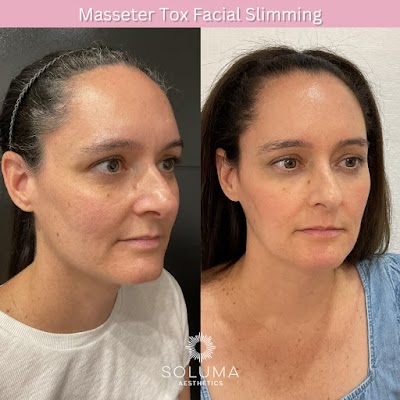
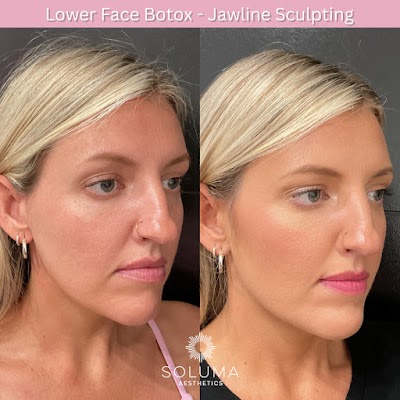
Botox for lines extends beyond the forehead. Small doses for bunny lines on the nose, crow’s feet, lip lines, a lip flip for a subtle evert of the upper lip, chin dimpling, and neck bands can harmonize the lower face and neck. Botox for jawline definition and jaw slimming targets the masseter muscles and can ease bruxism or teeth grinding while narrowing the lower face. Patients with migraines, TMJ pain, excessive sweating or hyperhidrosis, and even bladder issues benefit from neuromodulator treatment in medical contexts. Those patterns require different assessments and informed consent, but they show the range of what neurotoxin injections can do beyond cosmetic forehead smoothing.
The role of age and gender
Botox in your 20s works best as Preventative Botox when lines show up with expression but not at rest. Doses are small, intervals may be longer, and the aim is to avoid etching. In your 30s, the balance shifts toward maintenance and subtle rejuvenation. By your 40s and 50s, etched lines and skin laxity increase, so we combine wrinkle relaxer injections with skin support and, if appropriate, small volumes of filler in safe zones away from vessels. Male Botox, often called Brotox in marketing, follows the same principles but usually uses more units to handle thicker, stronger muscles. The aesthetic goal also differs. Many men prefer a Soluma Aesthetics botox near Orlando, FL flatter brow with preserved lateral movement and less arch, while women often like a touch more lift.
Comparing brands without the noise
Botox vs Dysport vs Xeomin vs Jeuveau comes up at nearly every Botox appointment. They are all neuromodulators that relax muscles. They differ slightly in how quickly they set in, how they diffuse, and how they are supplied. Some patients notice Dysport feels like it kicks in faster, often by day 2 to 3. Xeomin is a purified formulation without accessory proteins, which some prefer. Jeuveau performs similarly to Botox in many practices. The biggest determinant of your outcome is still the injector and the plan. If you have used one product for years and love your results, there is no reason to switch. If your results plateau, a brand change or a small shift in the Botox dose or map can refresh your look.
What a realistic timeline looks like
Day 0: Treatment. Mild redness or tiny wheals settle in minutes. You carry on with your day while following aftercare.
Days 2 to 4: You start to feel lighter movement. Some people notice a mild headache or a tight feeling as the product begins to work.
Day 7: Most of the effect has arrived. Lines are softer. If anything looks uneven, do not panic. We reassess at two weeks.
Day 14: Peak result. We fine tune with a Botox touch up if needed, usually 2 to 4 units in targeted spots.
Weeks 8 to 12: You still look smooth. Movement starts to return gradually.
Weeks 12 to 16: Plan your Botox maintenance visit. Waiting until everything has fully worn off allows lines to re-etch, which often needs more units later to catch up.
Trade-offs, edge cases, and professional judgment
If you have a low brow and mild eyelid hooding, your Botox for forehead must be light. We bias treatment toward the glabella and central forehead to protect your ability to lift. You may accept a touch more residual motion and lines in exchange for lift and comfort. If you are a performer or public speaker who leans on expressive brows, we prioritize that by targeting only the creases that bother you most and reducing total units.
If you show a strong outer frontalis pull that causes spocking after prior treatments, a few micro units placed laterally, combined with slight adjustment to the central dosing, often solves it. If you are on blood thinners, you can still be treated, but we counsel you about bruise risk and use pressure and ice. If you have events in the next week, I recommend treating at least 10 to 14 days prior, so the arc from onset to peak passes before photos.
Finally, if cost is top of mind, ask about Botox specials or seasonal Botox deals, but do not let price trump safety. A top Botox injector, whether a Botox dermatologist, plastic surgeon, or experienced Botox nurse injector in a reputable Botox med spa, will keep you safe and natural. Search “Botox near me,” then vet clinics with credentials, before and after photos, and a consultation that feels like a conversation, not a sales pitch.
Common myths I hear every week
Botox will make my face sag later. The opposite tends to be true when used thoughtfully. Preventing repetitive folding helps skin age more gracefully.
Botox is filler. They are different. Botox is a neuromodulator that relaxes muscles. Filler adds volume. We sometimes use Botox and filler together in a carefully staged plan, but they are not interchangeable.
If I stop Botox, my wrinkles will be worse. When the product wears off, your face returns to baseline. You may notice movement more because you have enjoyed months without it, but you have not accelerated aging.
All injectors use the same map. Good injectors design your map based on your anatomy and goals. That is how you avoid the frozen look.
What a natural forehead looks like on camera and in person
I like patients to bring a quick selfie video to the consult. Smile, raise your brows, talk for 10 seconds in good light. We look at how shadows sit on the forehead, how the brows shape the eyes, and where the 11s draw inward. Two weeks after treatment, we look again. Your brow still lifts when you are surprised, but the skin above it does not accordion. The 11s look softer, so your resting face reads calmer. In conversation, you look like you but a little more rested. That is the target for every Botox refresh.
When forehead Botox is not the right tool
If your main concern is heavy upper lids from skin laxity or fat pads, no amount of forehead Botox will fix that. We can sometimes create a small brow lift with careful glabella dosing, but surgical brow lift or upper blepharoplasty is the definitive option for true tissue redundancy. If you have significant forehead volume loss, a modest amount of carefully placed filler in the temples can restore frame and reduce compensatory forehead strain, indirectly helping lines.
If you are needle averse or prefer non-injectable routes, skincare, sunscreen, and energy devices help, but they will not replicate the precision of wrinkle relaxer injections. Some patients choose neuromodulator alternatives such as topical peptides or microcurrent devices. They can be supportive but are not direct substitutes for neurotoxin injections.
Final notes from the treatment room
Natural movement is not a marketing term, it is a series of choices. Choose an injector who watches how you speak and laugh before they draw up a syringe. Choose a Botox dose that fits your muscles, not someone else’s average. Choose a plan that respects the push and pull of the forehead and glabella together. And choose maintenance that keeps you looking like the most rested version of yourself without locking your face in place.
If you are ready to explore Botox for forehead lines, frown lines, crow’s feet, or a subtle brow lift, book a Botox appointment a couple of weeks before any big event, ask clear questions during your Botox consultation, and expect an honest conversation about trade-offs. The right plan gives you fresh skin, softer lines, and expressions that still feel like you.